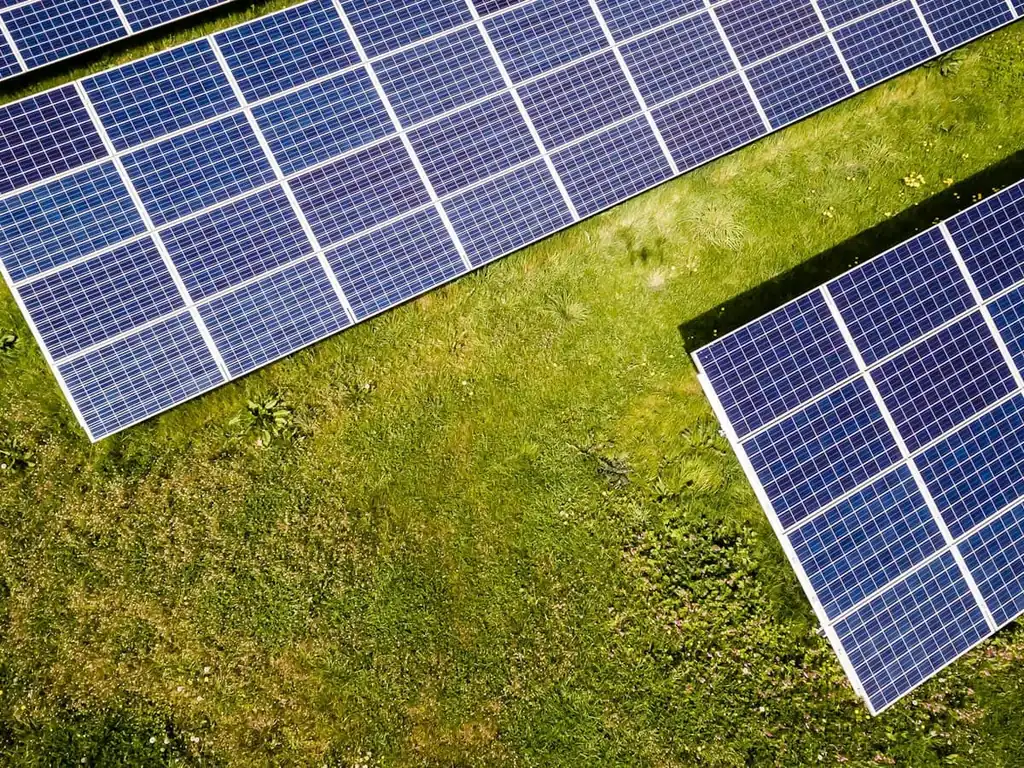
Solar panels are made of silicon cells. When sunlight hits a cell, it sets electrons moving, and that movement is direct current (DC) electricity. An inverter turns the DC into the alternating current (AC) your home uses. Power you do not use flows to the grid.
How Solar Panels Turn Sunlight Into Electricity
A solar panel has no moving parts and burns no fuel. It makes electricity whenever light falls on it. Here is how, first in five steps and then in more detail.
The Short Version
- Sunlight hits the panels on your roof
- The panels turn light into DC electricity in their photovoltaic cells
- The inverter turns DC into AC electricity, the kind your home uses
- Your home uses the electricity as it is made
- Extra energy goes to the TNB grid and earns credits on that month's bill under Solar ATAP
Inside a Solar Cell
A panel is a set of solar cells wired together. Each cell is a thin slice of silicon.
Light arrives as small packets of energy called photons. When a photon hits the silicon, it knocks an electron loose. The cell is built so that loose electrons can flow only one way, and that flow is an electric current.
This is the photovoltaic effect. "Photo" means light and "voltaic" means electricity. The current is direct current, or DC, the same kind a battery gives.
What the Inverter Does
Your sockets and appliances run on alternating current, or AC. The inverter converts the panels' DC into AC that matches the grid.
It also watches the system. A modern inverter reports how much the panels produce, and you read it in a monitoring app.
What the Meter Does
A bi-directional meter counts electricity in both directions. When your panels make more than you use, the extra flows out and the meter records it as export.
At night you draw from the grid as usual, and the meter records that as import. TNB installs this meter when the system is commissioned.
Parts of a Home Solar System
- Solar panels turn sunlight into DC electricity
- Inverter turns DC into AC
- Mounting system fixes the panels to the roof structure
- Bi-directional meter records energy in and out
- Monitoring app shows production day by day
- Battery (optional) stores energy for the night or a blackout
A system without a battery is called on-grid. One with a battery is called hybrid. Our guide to on-grid, hybrid and off-grid solar compares them.
How Much Electricity Do Panels Produce?
Output depends on the size of the system and on the sun. In Malaysia, 1 kW of panels produces roughly 3.5 to 4.5 kWh a day. An 8 kW system makes about 28 to 36 kWh on a typical day.
Three things lower that figure:
- Shade. A shadow on one panel cuts the output of the panels wired with it.
- Heat. Panels work slightly less efficiently when they are very hot.
- Dirt. Dust and bird droppings block light.
Do Panels Work on Cloudy Days and at Night?
On a cloudy day the panels still produce, only less. At night they produce nothing, and your home draws from the grid.
That is why the time you use electricity matters. Power you use while the sun is up comes straight from your roof.
How Long Do Solar Panels Last?
Panels have no moving parts, so there is little to wear out. The panels we install carry a performance warranty of up to 25 years, depending on the package.
The inverter works harder and has a shorter warranty, 5 to 10 years depending on the model. See what each package includes.
See What Your Roof Can Do
WhatsApp SolarKita with your TNB bill and a photo of your roof. We will estimate what a system on your roof would produce.
Frequently Asked Questions
How do solar panels work in simple terms?
Sunlight knocks electrons loose in the panel's silicon cells, which creates direct current. An inverter turns it into the alternating current your home uses. Extra power flows to the grid.
Do solar panels work when it is cloudy or raining?
Yes, but they produce less than in full sun. At night they produce nothing, and the home draws electricity from the grid as usual.
How much electricity does a solar panel system produce in Malaysia?
Roughly 3.5 to 4.5 kWh a day for each 1 kW of panels. An 8 kW system makes about 28 to 36 kWh on a typical day. Shade, heat and dirt lower the figure.
What does a solar inverter do?
It converts the direct current from the panels into the alternating current used by home appliances and the grid. It also reports production to the monitoring app.
Do I need a battery for solar panels?
No. Most home systems are on-grid and have no battery. A battery is an option if you want your own power at night or backup during a blackout.
Related Reading
Ready for Solar Panels?
Get a free consultation and personalized quote for your home. We handle everything from the Solar ATAP application to installation.
Get Free Consultation